NATO members Conduct “Anti PMC” exercises in Finland
NATO Members conduct major exercises after rise in Paramilitary and PMC activity across the globe
Following a rise in tensions after recent conflicts involving Private Military Companies across the globe, multiple NATO members including Britain, Spain and Germany have begun conducting a series of new military exercises to counter the newest growing threat.
In recent years, a new threat has emerged in conflicts the world over - Private Military Companies. Also known as PMCs, these groups consist of paid mercenaries and former soldiers from across the world. These groups regularly operate in the shadows, paid to do work that regular militaries would be unable to provide.
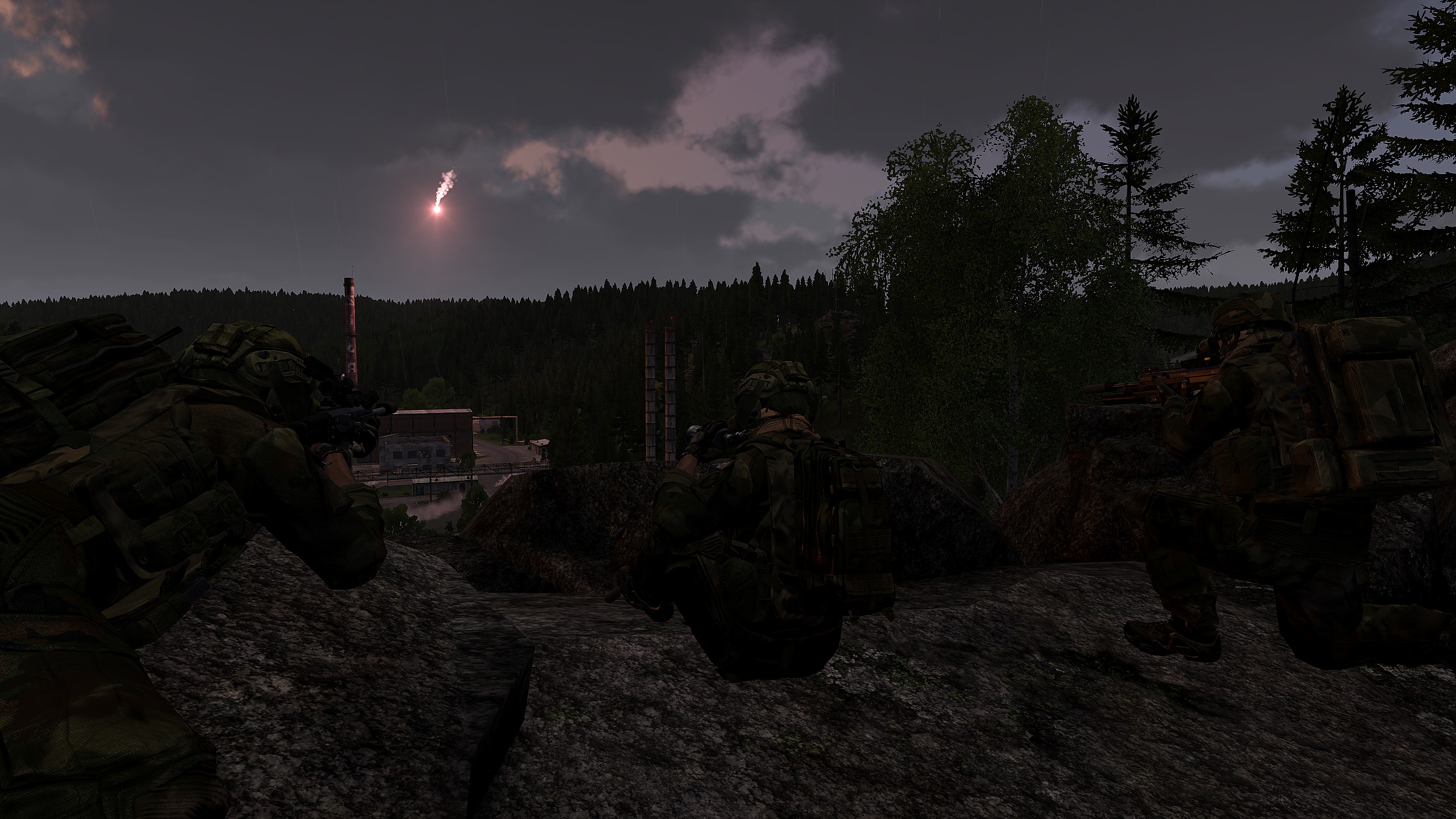
PMCs have been at the forefront of recent conflicts in Ukraine, Syria, and Malden. In both Ukraine and Syria, these groups have seen themselves aligned with, and paid by, governments or insurgent groups, providing a range of expertise. This has ranged from Security for key military installations, to operating as a major fighting force. The latter example has sparked concern from NATO Members - especially following accusations of the use of Biological and Chemical warfare agents by PMCs backed by rogue entities or governments.
Of greater concern however, is the risk of conflict between PMCs themselves, as has been the case on the Island of Malden. Stories of PMCs “going rogue” have filled the recent news from the island, and has sparked international concern, especially amongst NATO member states. These reports have been named as a significant reason behind the newest NATO exercises.
This training has reportedly focussed on acting training NATO forces to act as a peace keeping force aiming to “limit casualties amongst civilians and armed personnel”. This appears to indicate an increase in NATO interest in the rise of “PMC vs PMC” conflicts, which one NATO Leader described as “Gang or Cartel violence, but on a much more significant and global scale”.
These exercises are part of a larger NATO push towards improving their capabilities in the changing faces and domains of modern warfare, as demonstrated in the ongoing Ukraine conflict. This comes at a time of significant change and upheaval of how the western military powers aim to conduct warfare and defence, to ensure the safety of their respective nations.